



Deicing salt is essential for preventing slips and falls during the cold winter months here in Columbus Ohio. And, various types of ice melts are used throughout the city to make pedestrian-friendly areas like Short North Arts District and German Village as walkable as possible throughout the year. In fact, there’s even a city ordinance (albeit a rarely enforced one) stating that property owners must keep their sidewalks clear of ice and snow daily.
But, you might be wondering if the ice melt that you’re using now is causing damage to your concrete that you won’t see until the next spring thaw. Here at Supreme Concrete Ohio, we want to share some ideas on how to keep your driveway safe without having to deal with costly repairs when winter’s over. Here’s our guide to concrete-friendly (and not-so-friendly) driveway salt!
See what our customers have to say:


Let’s start with the most damaging ice melt: rock salt
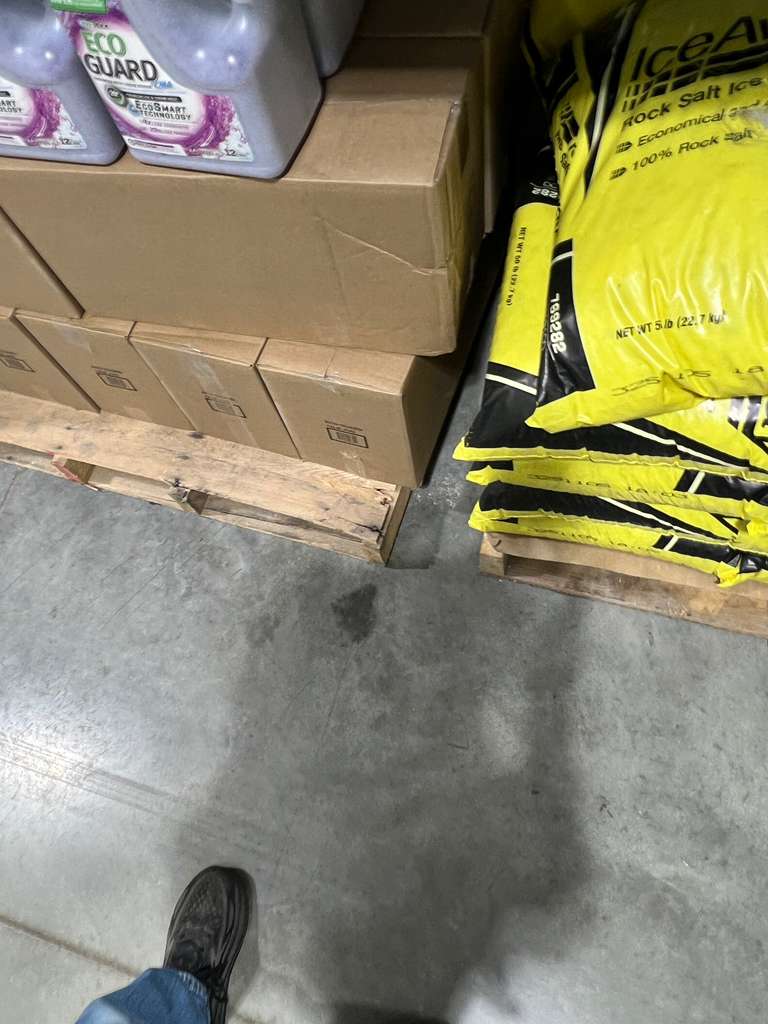
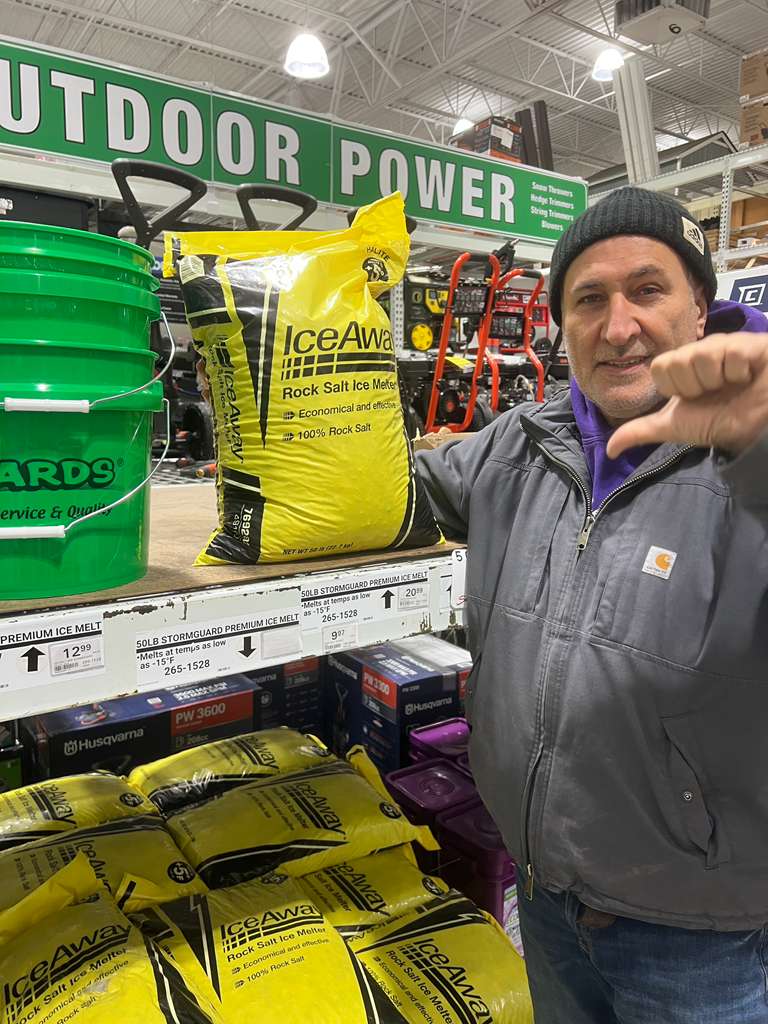
NaCl, Sodium chloride, or good old fashioned table salt, has been used for decades as a de-icing agent. And the fact is, it does a great job of melting ice by breaking up water molecules and thereby lowering the freezing point of water. The sodium chloride turns the ice into a salty slush that you can shovel or sweep away. Plus, the leftover salt particles add traction so that you’re less likely to slip.
It’s cheap, effective, and you can get it pretty much anywhere.
The problem, though, is that sodium-chloride melts can wreak havoc on the concrete below the ice layer. As the salt turns the ice back into water, that liquid is then absorbed into the porous surface of the concrete. And because salt only lowers the freezing point of water instead of preventing freezing, the water will turn back into ice and expand. This freeze-thaw cycle leads to spalling, or the process by which the top layer of concrete becomes cracked, eroded, and flakey.
Salt that seeps into your concrete driveway or walkway can also lead to corrosion of the metal reinforcement structure that gives your concrete strength and stability.
Rock salt isn’t just bad for your driveway
Concrete damage isn’t the only reason why property owners are wary of sodium-chloride ice melts. As we’re finding out, too much salt runoff in our water can also negatively impact natural areas and parks. So, opting for salt-free alternatives can be a way to protect the waterways in Prairie Oaks Metro Park, Alum Creek Beach, or any other of your favorite green areas around the city.
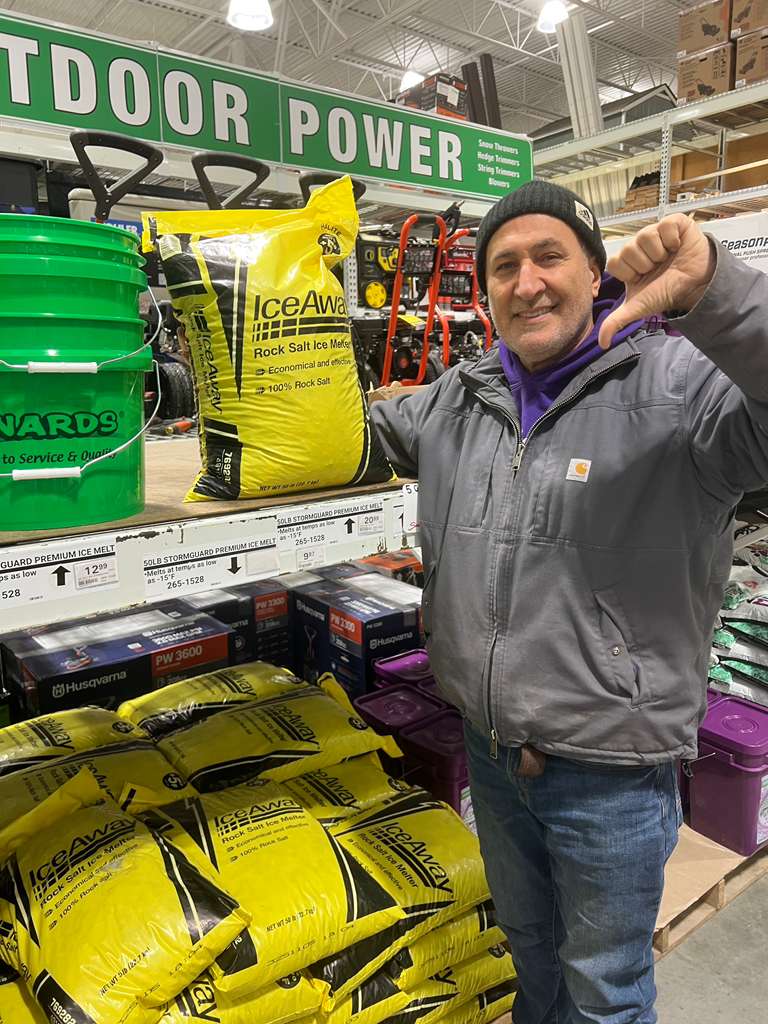
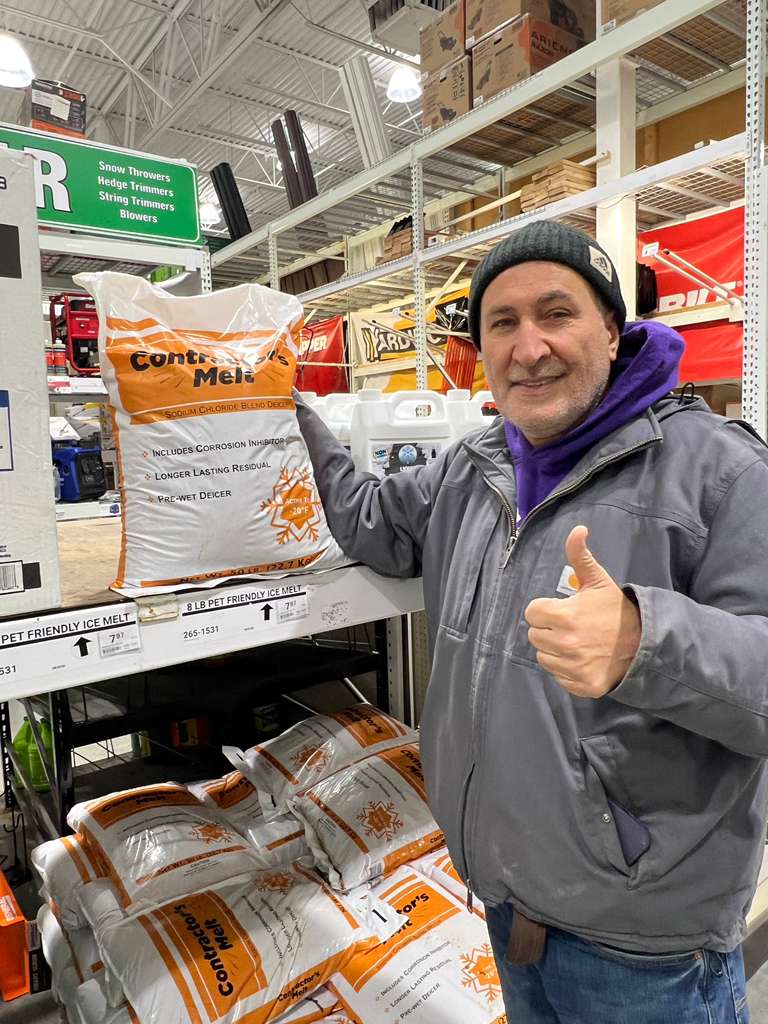
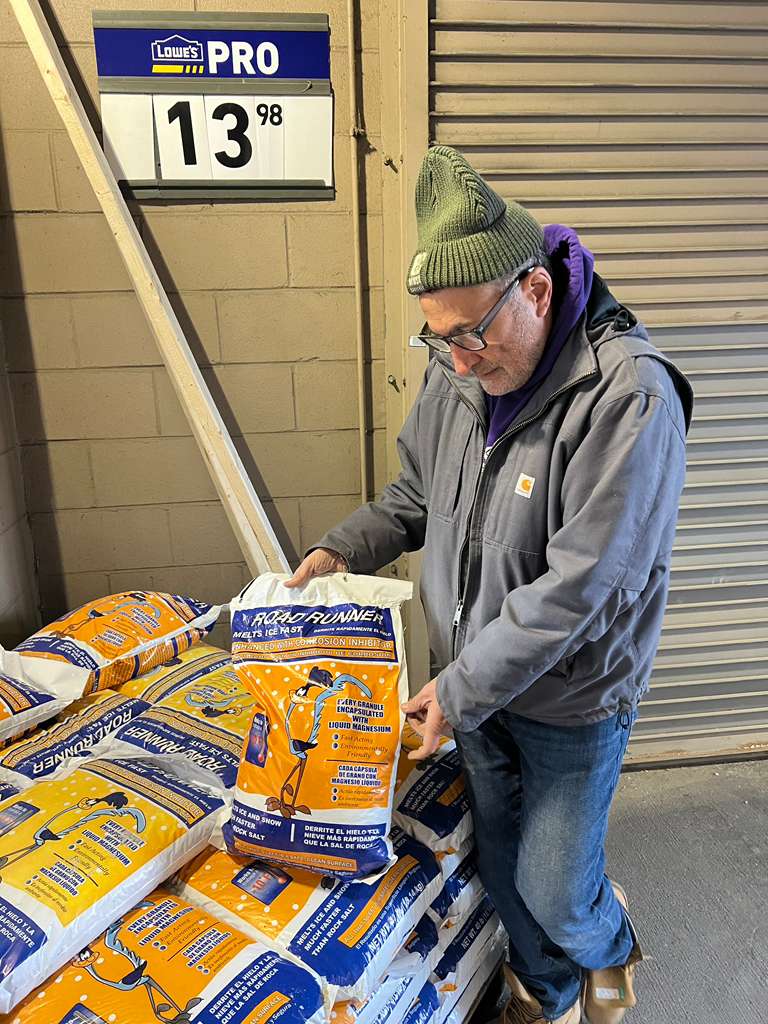

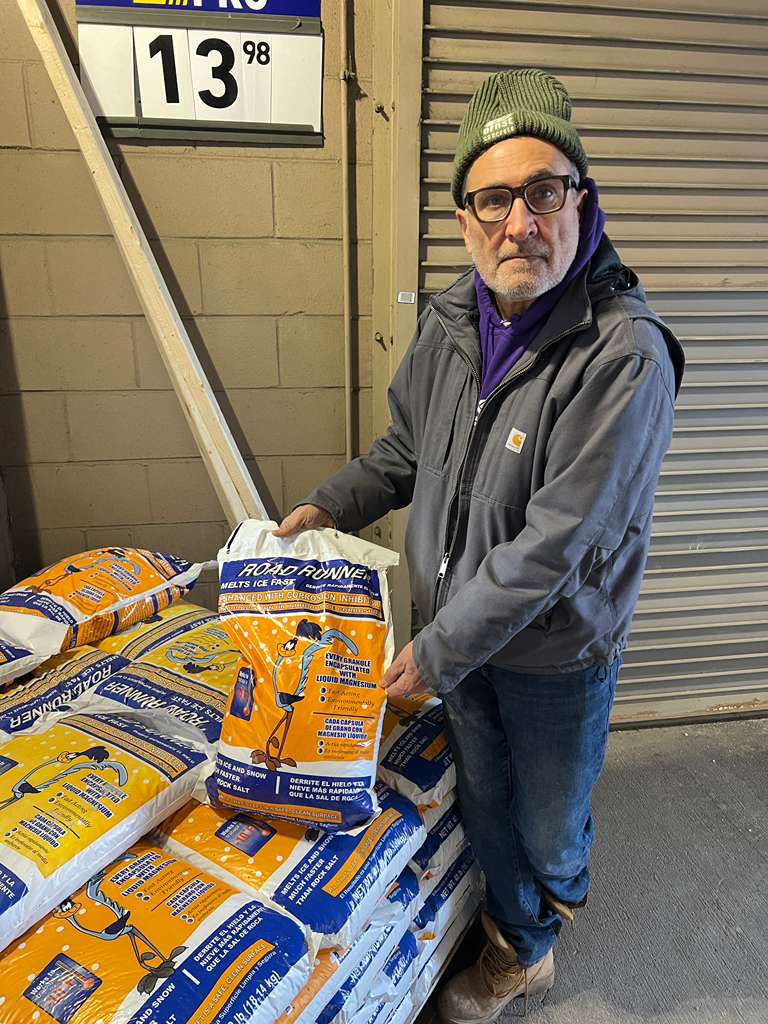
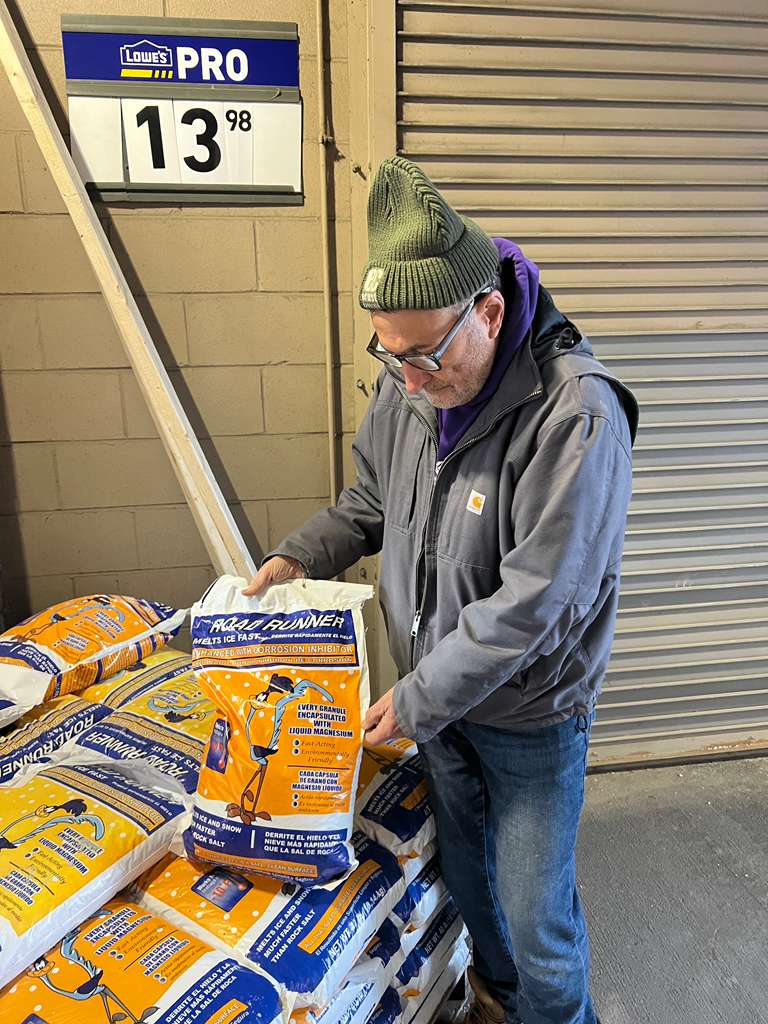

Concrete-friendly (or at least friendlier) alternatives
Given that sodium chloride is not recommended for concrete driveways and pathways, what are your other options? Luckily, there are a few different solutions to choose from:
Beet brine
While it may seem odd, beet juice is actually a pretty common ingredient used in municipal snow and ice management plans. In fact, the City of Columbus has effectively used a solution of salt, calcium chloride (more on that in a moment), and beet juice on public roads for a number of years.
The benefit of using a beet brine instead of salt alone is that the sugars from the beets are even more effective at lowering the freezing temperature of water. It also tends to require less frequent reapplications and is biodegradable.
Of course, beet brine isn’t a perfect solution for your concrete driveway. After all, although reduced, there is still sodium chloride in the mix. And, if you don’t have access to white beets, you might find yourself with some driveway discoloration. Finally, there may be secondary environmental concerns involved with introducing beet byproduct into the waterways.
Overall, compared to salt alone, it’s a step up. But let’s keep searching.
Other chloride solutions
As it turns out, NaCl isn’t the only chloride on the market. And other chloride solutions may be better for your concrete driveway. For example, calcium chloride, magnesium chloride, and potassium chloride are often cited as alternatives for rock salt that are less damaging to concrete and asphalt.
Calcium chloride is one of the most effective rock salt alternatives on the market, today, especially in extreme cold conditions that reach well below zero degrees. But, it has a number of drawbacks, including a high price tag and potentially damaging effect on plants.
Magnesium and potassium chloride are less effective, but they are considered to be less corrosive and potentially harmful for pets and plants. As long as temperatures are not too extreme (magnesium chloride loses effectiveness at around -13 below zero and potassium chloride at below 25º F), these chloride options work well and tend to be gentle on concrete and the environment.
Non chloride solutions
There are acetate-based deicers out there that do a great job of melting ice without damage to concrete or negative environmental impacts. Calcium magnesium acetate, for instance, has a similar effectiveness limit as magnesium chloride without the corrosiveness of a salt-based deicer.
The big problem with acetate-based solutions is that they’re prohibitively expensive and can be hard to find.

Other tips for keeping your driveway in good condition
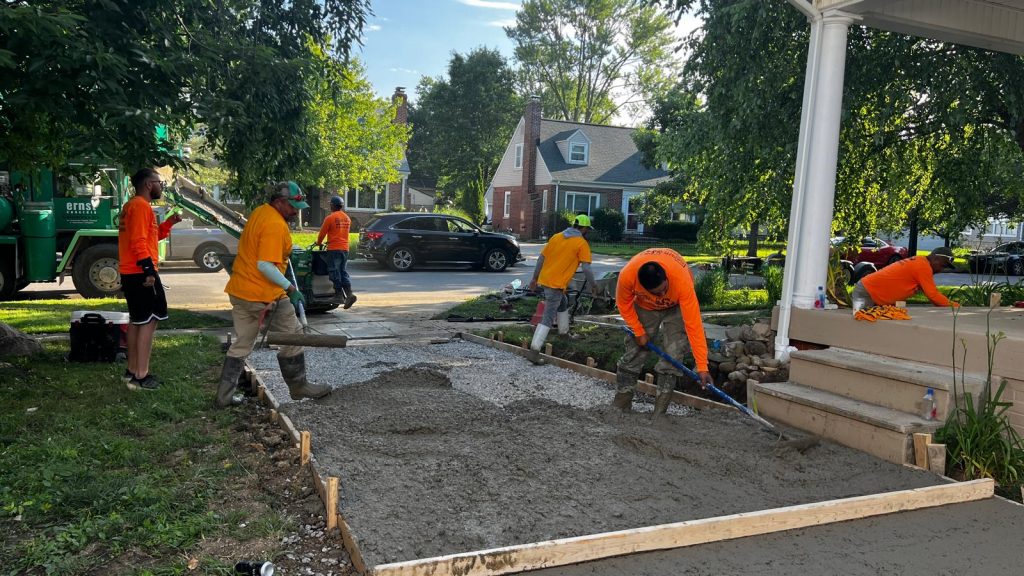
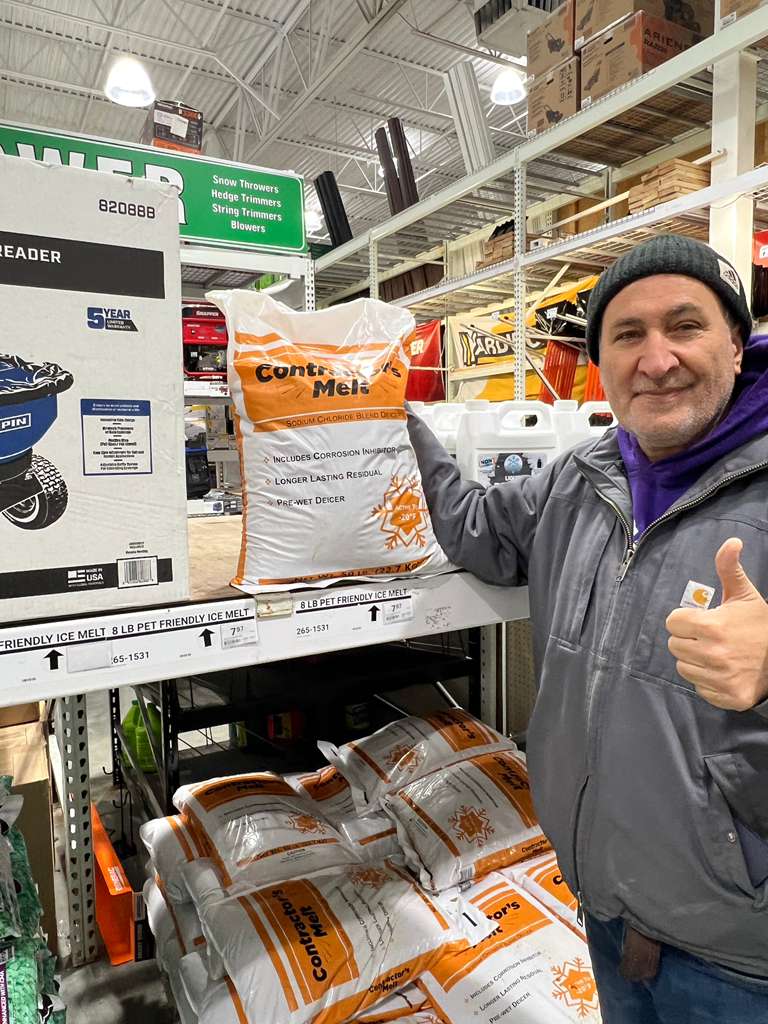
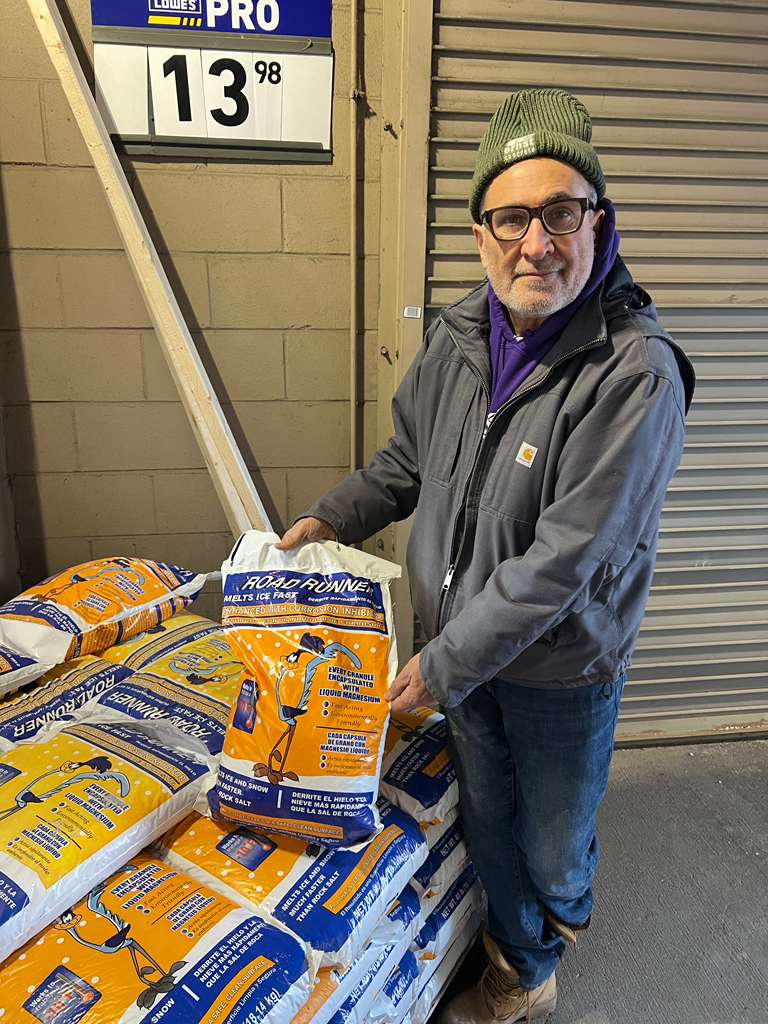
Ultimately, non-sodium chloride ice melts are typically considered the best option for homeowners here in Columbus as they’re effective and pose less of a risk of concrete damage than traditional salt solutions or beet brine. But there are a few additional steps you can take to protect your driveways before winter:
- Fix visible problems with your concrete. No matter which deicer you choose this winter, cracks or spalling in your concrete can make it vulnerable to the freeze-thaw cycle. So, it’s imperative to address any issues that will accelerate damage to your concrete.
- Have your concrete sealed. Sealing your concrete before winter will protect it against water absorption. To be sure, you’ll still want to make sure to opt for a driveway-friendly deicer. But, the sealing process will give you an extra layer of defense.
More questions about concrete? Call Supreme Concrete Solutions LLC!
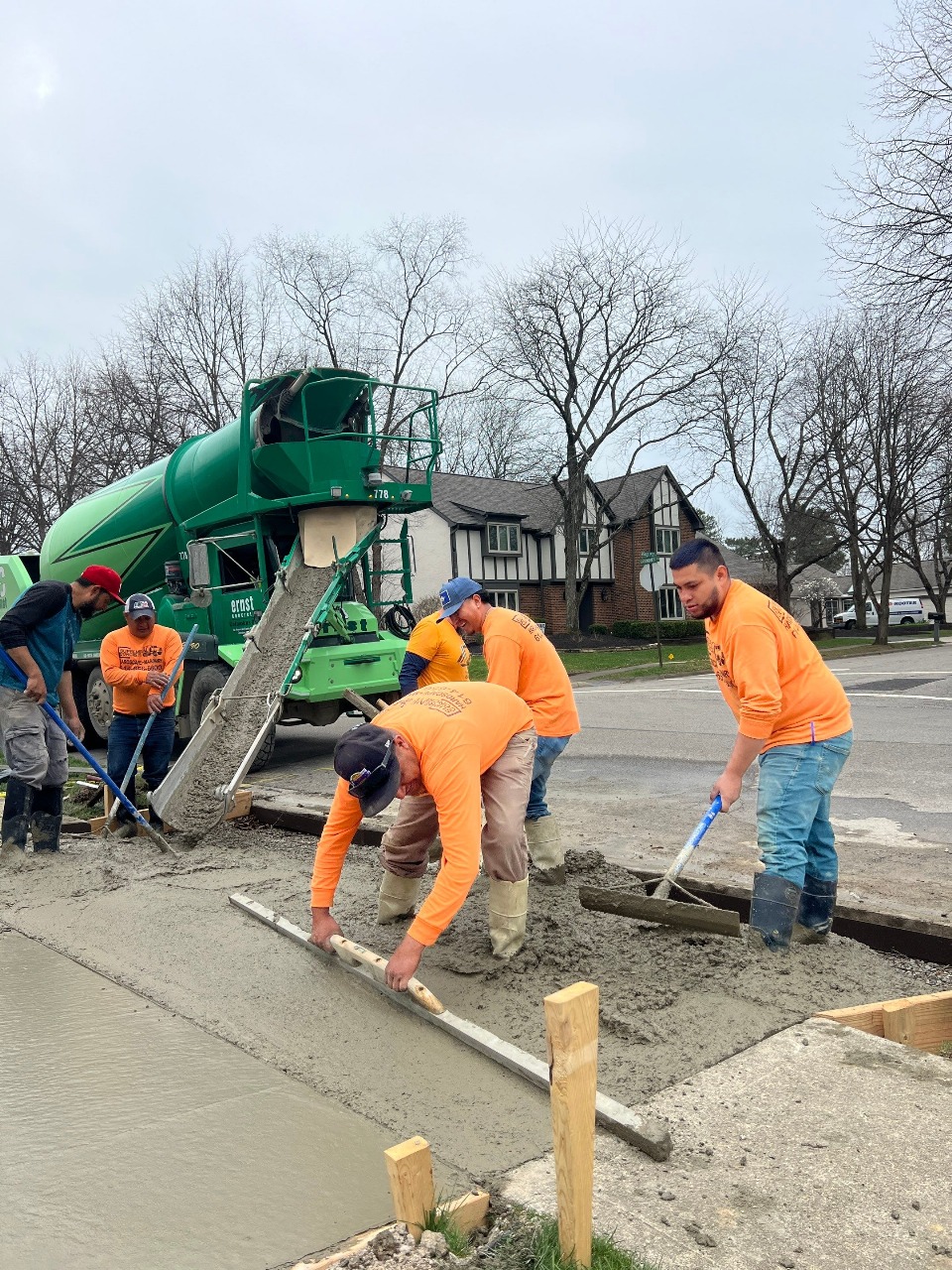
Whether you want to learn more about your deicer options or are trying to fix the damage from previous winters, Supreme Concrete can help. We’re here for homeowners here in Columbus and surrounding neighborhoods to extend the life of your concrete driveway no matter how harsh the winter season is!