
Foundation Crack Warning Signs in Columbus OH
A foundation crack needs attention when it is changing, accompanied by wall movement, or appearing alongside other building problems. Its direction and width help describe it, but neither can establish whether the foundation is structurally sound. An on-site assessment considers the wall, its support, surrounding conditions and history together.
Supreme Concrete Solutions provides foundation installation and repair in Columbus and nearby communities. Use this guide to describe what you see and decide what help to seek before selecting a repair.
Signs that warrant prompt professional evaluation
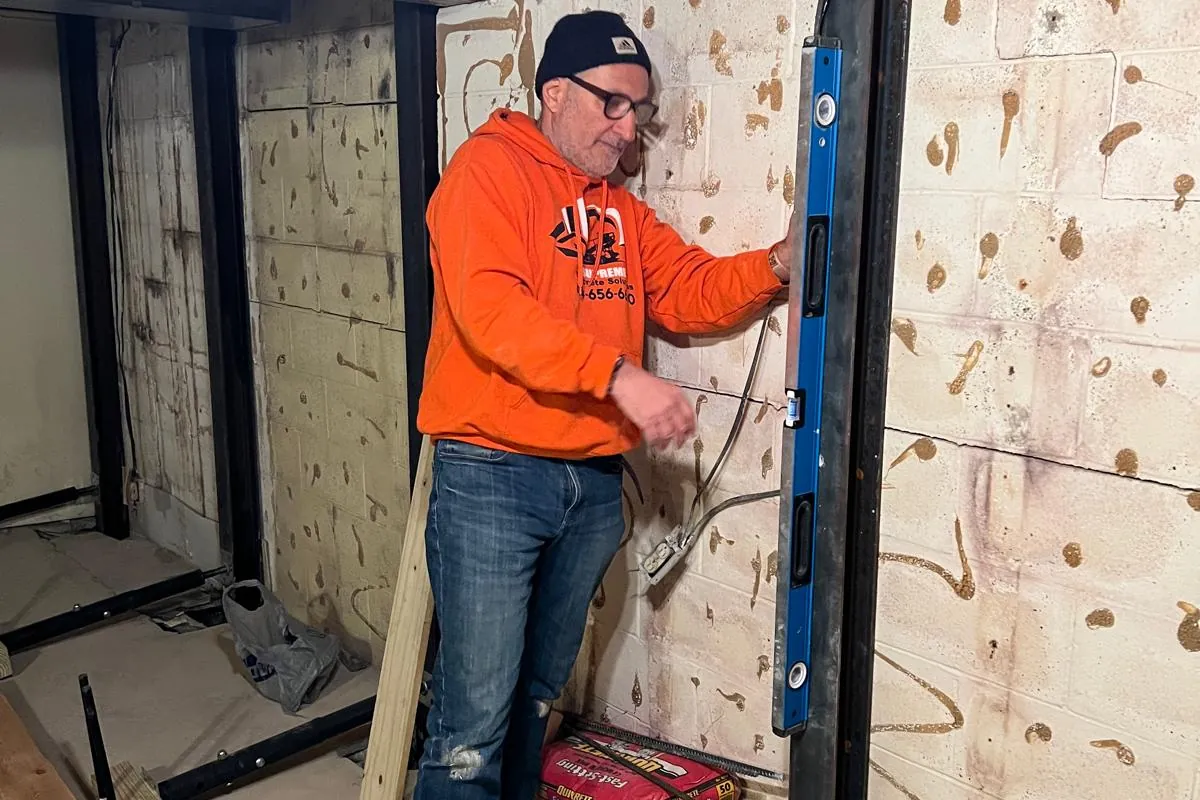
Arrange an assessment when you notice any of these conditions:
- A foundation wall that bows, leans or has shifted out of alignment.
- A crack that is widening, extending or reopening through an earlier repair.
- A horizontal wall crack, especially with bulging or displacement.
- New floor unevenness, sticking doors or gaps at connections appearing with foundation changes.
- Loose or deteriorating foundation material, or visible changes around a support post or beam bearing.
These observations warrant investigation; they do not identify a particular cause or repair by themselves. Do not postpone an evaluation simply because a crack looks narrow or the doors still close.
If you believe the building is at risk of collapse, move to a safe location and call 911. Do not enter a visibly damaged, potentially unstable area to take measurements. Columbus's structural-damage safety guidance advises professional clearance before entering a building with visible structural damage.
Describe the pattern without diagnosing it from shape alone
Vertical cracks in a poured concrete wall
A crack running up and down may relate to drying shrinkage, restraint or other movement. NRMCA's basement-wall guidance describes several causes of cracking, including uneven footing support and construction conditions. Note its position, any leakage and whether the faces remain aligned. A narrow opening is not proof that assessment is unnecessary.
Horizontal cracks across a foundation wall
Cracks running across a wall can be associated with lateral forces, construction damage or wall deformation. Bowing or an offset makes the concern more apparent. Have the wall evaluated, including its support and outside conditions. A photograph alone cannot establish the cause, whether movement continues, or the wall's remaining capacity.
Stair step cracks through masonry joints
These cracks follow the mortar joints between blocks or bricks. Uneven settlement is one possible cause, but shrinkage and other movement can produce similar patterns. HUD's residential inspection guide explains why masonry cracking needs context. An offset shows a change in alignment; it does not establish when the movement happened or whether it is still progressing.
Width matters alongside location and change
Record the width if you can do so safely, but avoid using a single measurement as a pass-or-fail test. A small crack with wall distortion deserves attention, and a larger opening needs its own assessment. Published warranty tolerances and repair criteria are not universal structural safety limits.
The terms “active” and “dormant” describe movement behavior, not simply appearance. One visit or photograph may not establish that history. Where monitoring is appropriate, the professional assessing the building should specify what to measure, how often and which changes require another visit. Do not delay an assessment for a preset number of weeks or seasons when warning signs are present.
A floor slab crack and a foundation wall crack need different context
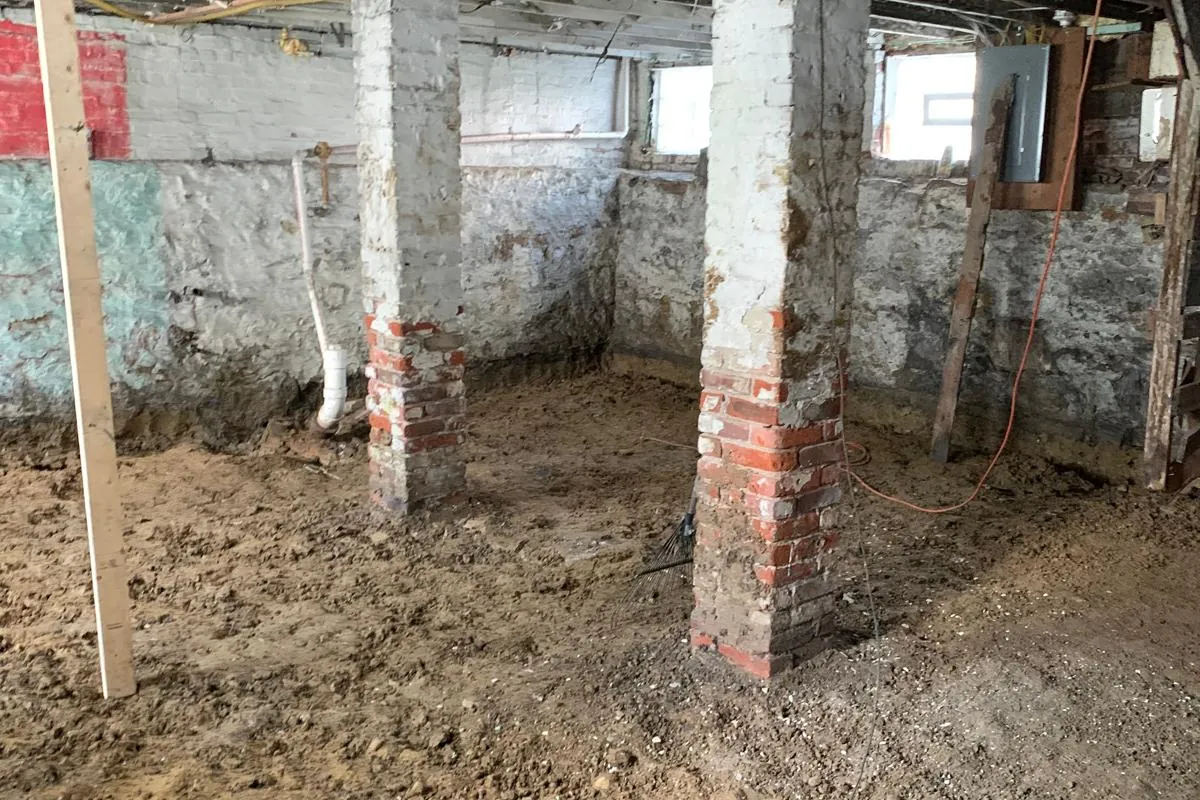
First identify where the crack is: the basement floor, a foundation wall, an exterior slab or a slab that forms part of the building's support. The role of that concrete changes the assessment. A floor crack alone does not establish that a footing has settled.
Note whether the floor has become uneven, whether nearby walls show changes, and how the floor relates to support posts. The National Association of Home Builders' structural inspection checklist includes floor cracks, displacement, wall bowing and surrounding building conditions.
Water entry deserves attention even when a crack is not found to compromise structural capacity. Conversely, a dry crack is not automatically harmless. Basement waterproofing and structural repair can address different problems; the assessment should establish whether one or both are needed.
Document what you can see safely
Useful records help the person inspecting the property understand what changed. From a safe, accessible position:
- Photograph the whole wall or floor area, then the crack in closer detail.
- Include a ruler beside the opening for scale without inserting tools into it.
- Record the date, location and when you first noticed the condition.
- Note leakage, rainfall and nearby changes to doors, floors or finishes.
- Gather earlier photos, repair invoices, inspection reports and available drawings.
If measurements are requested, use the same marked locations each time. ACI's crack-measurement guidance explains why irregular edges can complicate width readings. Photos and homeowner measurements support an assessment; they do not establish stability.
Avoid covering or filling the crack before it is documented and assessed. Do not excavate beside the foundation, remove supports or attempt to push a bowed wall back into place as a way to investigate it.
Include drainage and the property's history
Tell the assessor about standing water, leaking gutters, downspout discharge and changes to the ground or paving beside the building. Mention nearby excavation, additions, previous repairs and any known flooding. These details can help focus the investigation.
Soil and moisture conditions vary between properties. A Columbus address does not establish the cause of a crack or a standard monitoring deadline. The condition of the particular building and site should guide the next step.
Establish the repair purpose before choosing a method
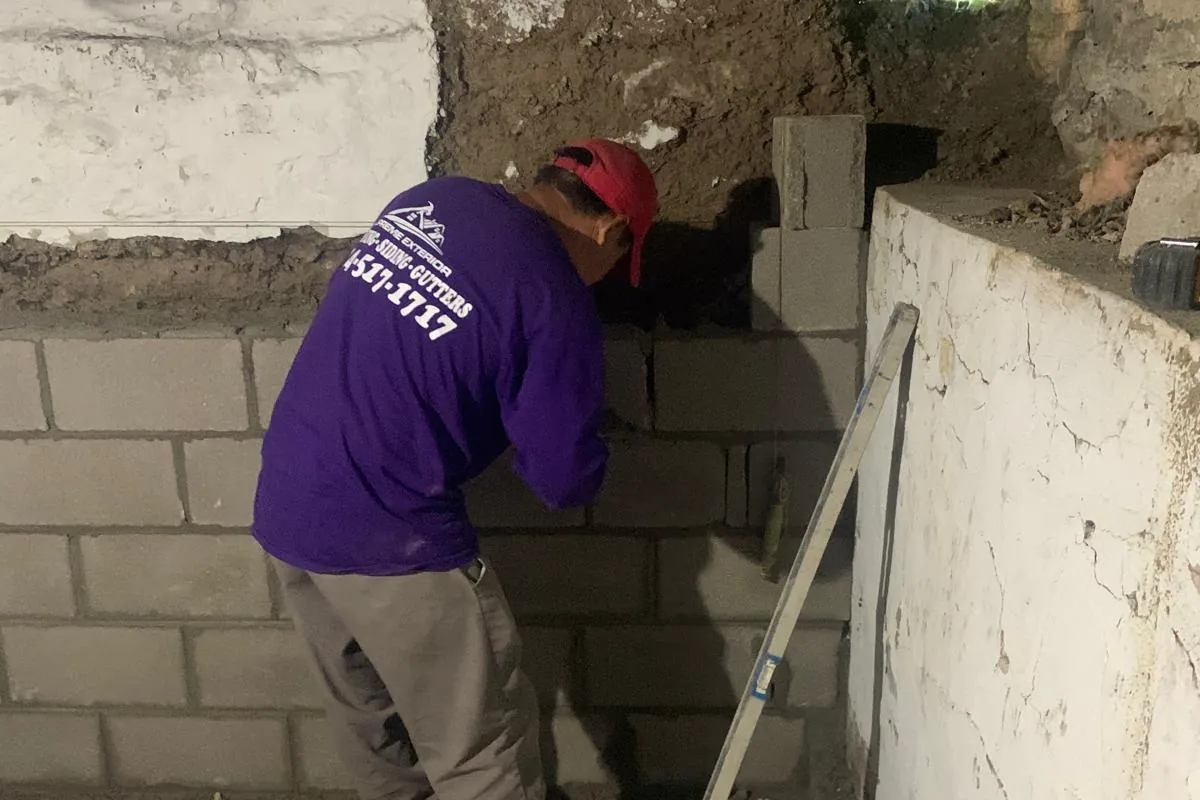
An assessment should explain what is known, what remains uncertain and whether further structural or ground investigation is needed. Where stability or load-bearing capacity is in question, involve a licensed professional engineer experienced in residential structures. A repair estimate alone is not a structural engineering opinion.
Ask whether the proposed work addresses water entry, damaged material, wall support, ground movement or a combination. Filling an opening does not by itself resolve an underlying movement problem. The repair needs to suit the identified cause and the role of the affected element.
Before approving work, review any required engineering, permits, access, temporary support and follow-up. Confirm what restoration and warranty terms are included. For masonry concerns, our masonry services may be relevant alongside the foundation work.
Request a foundation repair estimate in Columbus
Supreme Concrete Solutions handles foundation crack repairs, basement wall work and related foundation services. Share your address, photos, what has changed and any existing engineer's report so we can discuss the repair scope.
We serve Columbus, Dublin, Grove City, Pickerington, Reynoldsburg, Upper Arlington, Westerville, Whitehall and Worthington. Request a foundation estimate, call (614) 705-0285, or email info@supremeexterior.com.